What Is AI-Powered Brand Identity Design? The Complete 2026 Guide for Modern Businesses
AI-powered brand identity design is fundamentally changing how modern businesses build, present, and scale their visual presence. In 2026, artificial intelligence is no longer a futuristic concept reserved for tech giants — it is an accessible, strategic tool transforming brand creation for businesses of every size, including the booming global tourism sector.
This complete guide to AI brand design 2026 walks you through everything: what it means, why it matters, which tools lead the industry, and the expert strategies that deliver real results.
What Is AI-Powered Brand Identity Design — Defined Simply
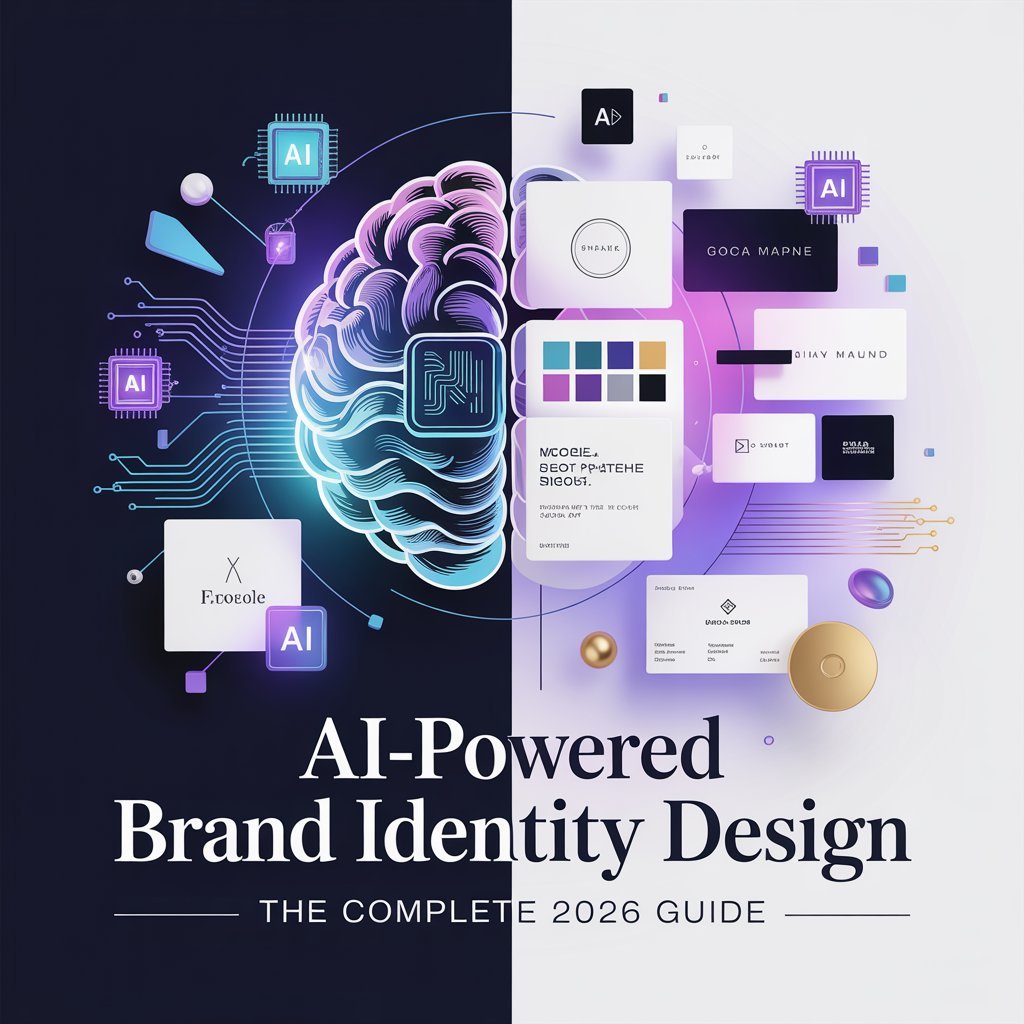
AI-powered brand identity design refers to the use of machine learning, generative algorithms, and intelligent automation to create cohesive brand systems — logos, colour palettes, typography, tone of voice, and full visual guidelines — faster and smarter than traditional workflows ever allowed.
Unlike conventional design processes that require weeks of briefing, sketching, and revision, AI models analyse thousands of successful brand identities and generate tailored, professional results in minutes.
For the brand identity design 2026 guide landscape, platforms such as Looka, Brandmark, Adobe Firefly, and Canva’s Magic Design represent the frontier of this shift. These are the modern brand identity AI tools that tourism boards, travel agencies, and hospitality brands are already deploying to compete at scale.
Why Tourism Businesses Need AI Branding Tools Right Now
The global tourism industry is intensely visual. A destination brand must communicate trust, culture, and aspiration — often within a single glance. That is precisely why AI branding tools for businesses in the travel sector deliver such outsized value.
Key advantages include:
- Speed — AI compresses weeks of design iteration into hours
- Consistency — Brand assets remain visually cohesive across every platform and market
- Personalisation — AI tailors visual identity elements to specific audiences, languages, and cultural contexts
- Cost efficiency — Smaller tourism operators can access premium branding without agency-level budgets
Whether you manage a boutique safari lodge or a national tourism authority, AI branding tools for businesses remove the traditional barriers to exceptional brand identity.
Core Components of AI-Powered Brand Identity Design
Understanding the building blocks is essential before selecting any tool or strategy. A complete AI-powered brand identity design system typically includes:
- Logo Generation AI models interpret your brand brief — industry, values, target audience
— and produce multiple logo concepts with instant variations.
- Colour Palette Intelligence Algorithms draw from colour psychology and market data to recommend palettes that resonate with your specific audience segment.
- Typography Pairing AI suggests font combinations that balance personality with readability across digital and print environments.
- Brand Voice & Tone Natural language processing tools analyse competitor positioning and audience behaviour to define your brand’s written identity.
- Visual Guideline Automation Full brand books are generated automatically — ready for deployment across web, social, print, and out-of-home formats.
AI Brand Identity Design SEO Strategies That Work in 2026
A strong brand identity is only as powerful as its digital visibility. Combining AI brand identity design SEO strategies with your visual branding creates a compounding competitive advantage.
Here is what leading brands are doing:
Keyword Research for AI Branding 2026 Use AI-driven keyword tools to align brand messaging with the exact phrases your audience searches. Keyword research for AI branding 2026 now incorporates semantic clusters, intent mapping, and zero-click optimisation — all areas where AI outperforms manual research.
Generative Engine Optimisation (GEO) Search is evolving. Generative Engine Optimization brand identity ensures your brand appears accurately and favourably within AI-generated search summaries on platforms like Google SGE, Perplexity, and Bing Copilot. Structured, authoritative content about your brand is the foundation.
Structured Data for AI Branding Implementing structured data for AI branding — via Schema.org markup for your Organisation, Logo, and LocalBusiness entities — signals credibility to both traditional search engines and generative AI models. This directly impacts how your brand is represented in AI-generated answers.
Expert AI Brand Identity Strategies for 2026
Applying expert AI brand identity strategies requires more than selecting a tool and pressing generate. The businesses winning in 2026 follow a disciplined framework:
- Brief with Precision AI performs best when given clear, detailed input. Define your audience, market position, brand values, and competitive landscape before engaging any generation tool.
- Human-AI Collaboration The most effective outcomes combine AI’s speed and pattern recognition with human creative judgment. Use AI to generate options; use human expertise to curate and refine.
- Test Across Contexts Validate AI-generated brand assets across all touchpoints — mobile, desktop, print, and environmental signage — before finalising.
- Maintain Brand Governance As AI tools enable rapid asset generation at scale, establish clear governance protocols to prevent brand dilution or inconsistency across teams and markets.
- Align with E-E-A-T Principles Google’s Experience, Expertise, Authoritativeness, and Trustworthiness framework applies to brand content as much as editorial content. Ensure every AI-generated brand output is reviewed, verified, and attributed to credible human experts within your organisation.
The Future of AI-Powered Brand Identity Design
AI-powered brand identity design is not a passing trend — it is the new standard. By the end of 2026, brands that have not integrated AI into their identity systems will face a measurable disadvantage in speed, consistency, and market relevance.
For tourism businesses especially, where competition is global and attention spans are short, the opportunity is clear: embrace the tools, apply the strategies, and build a brand identity that is intelligent, distinctive, and built to last.